Archives
- 2026-08
- 2026-07
- 2026-06
- 2026-05
- 2026-04
- 2026-03
- 2026-02
- 2026-01
- 2025-12
- 2025-11
- 2025-10
- 2025-09
- 2025-03
- 2025-02
- 2025-01
- 2024-12
- 2024-11
- 2024-10
- 2024-09
- 2024-08
- 2024-07
- 2024-06
- 2024-05
- 2024-04
- 2024-03
- 2024-02
- 2024-01
- 2023-12
- 2023-11
- 2023-10
- 2023-09
- 2023-08
- 2023-07
- 2023-06
- 2023-05
- 2023-04
- 2023-03
- 2023-02
- 2023-01
- 2022-12
- 2022-11
- 2022-10
- 2022-09
- 2022-08
- 2022-07
- 2022-06
- 2022-05
- 2022-04
- 2022-03
- 2022-02
- 2022-01
-
We report here the case of a patient with probable
2025-02-15
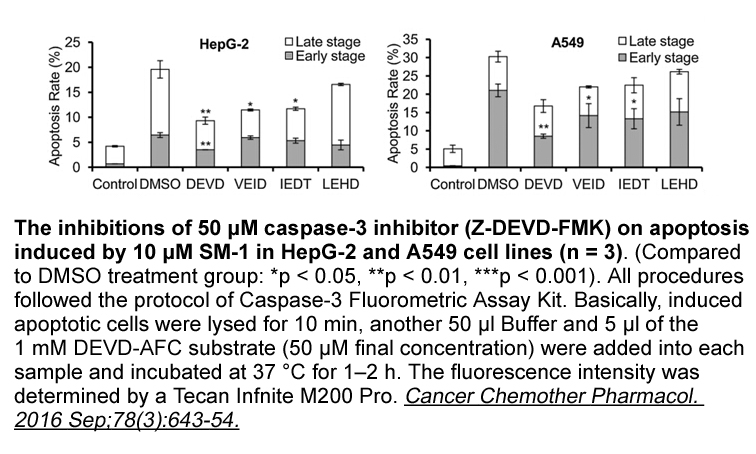
We report here the case of a patient with probable genetic prion disease with a Creutzfeldt-Jakob disease-like phenotype associated with a rare PRNP E196K mutation who initially exhibited atypical clinical manifestations principally characterized by behavioral abnormalities. Case report An 80-ye
-
Infections inflammation and corneal transplant can
2025-02-15
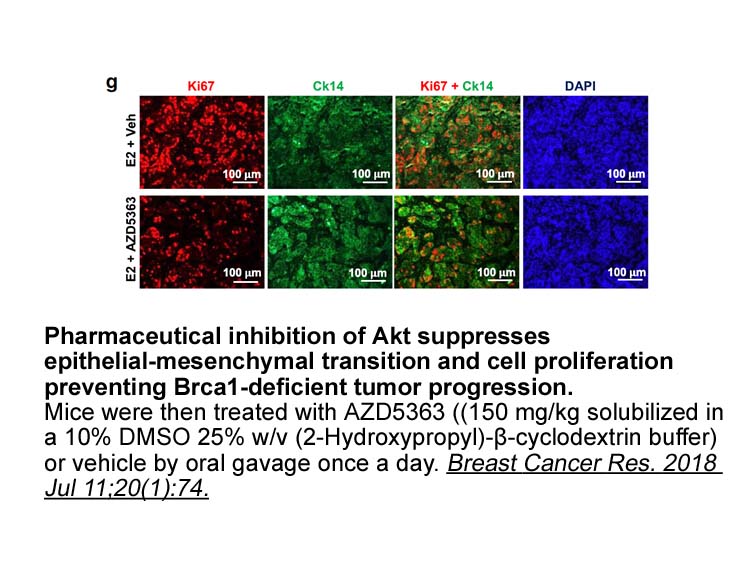
Infections, inflammation, and corneal transplant can all cause corneal neovascularization via upregulation of inflammatory cytokines, which attract myeloid pkd kinase into the cornea. These myeloid cells establish a cycle of cytokine secretion and further myeloid cell recruitment in the cornea. Ther
-
We provide here direct evidences that AT
2025-02-15
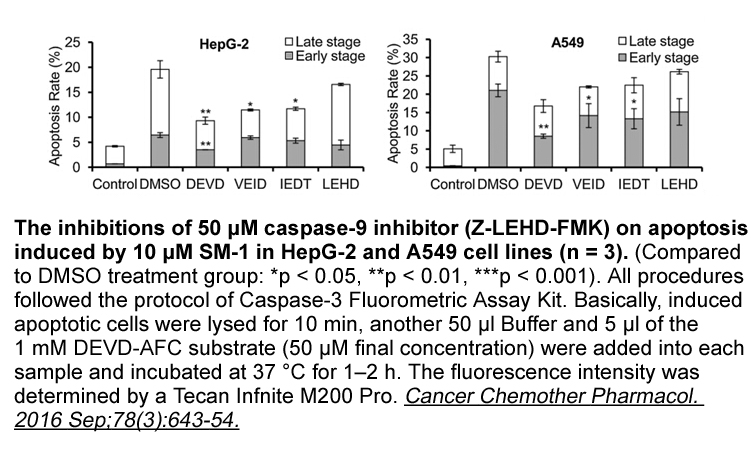
We provide here direct evidences that AT1 receptors are active in ADSCs since Ang II induces intracellular Ca mobilization in these cells. Data obtained during the observation of Ca influxes led us to the search for the ADSCs subpopulation constantly expressing AT1 receptor. ADSCs are necessary for
-
b ng When arachidonic acid is used
2025-02-15
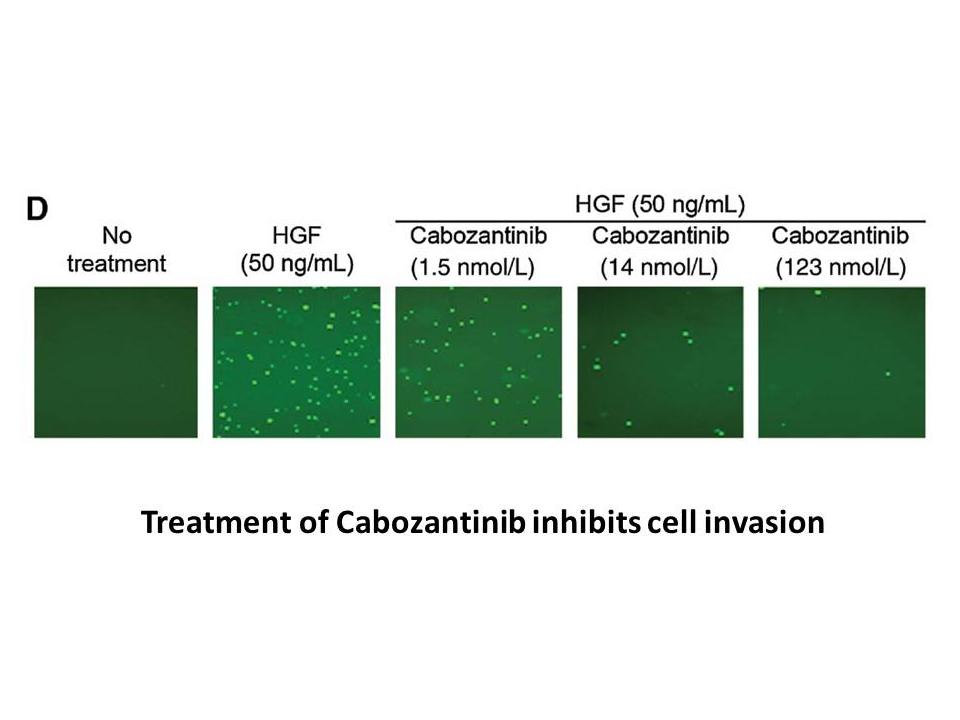
When arachidonic b ng is used as a substrate, the platelet-type 12S-lipoxygenase produces predominantly the 12S-hydroperoxy derivative. In contrast, the leukocyte-type 12S-lipoxygenases generate substantial amounts of the 15-lipoxygenase product in addition to the 12S-hydroperoxy derivative. The ra
-
Compstatin Endogenous adenosine systems have largely been
2025-02-15
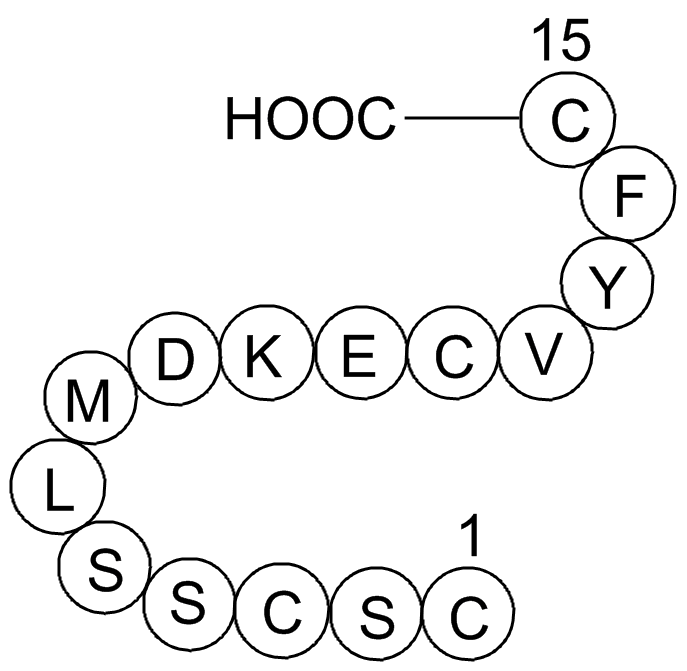
Endogenous adenosine systems have largely been implicated in drug actions by the demonstration that caffeine (non-selective A1R and A2AR antagonist) (see Section The issue of caffeine), in doses up to 7.5–10mg/kg, inhibits antinociception, and when this occurs, it Compstatin is generally also seen w
-
An AXL decoy receptor with enhanced GAS
2025-02-14

An AXL decoy receptor with enhanced GAS6-binding properties, MYD1, was engineered as a therapeutic tool to disrupt GAS6/AXL signaling in vivo (Kariolis et al., 2014). MYD1 was shown to block metastasis of human ovarian cancer acetylcholinesterase inhibitor and a murine breast cancer cell line in gr
-
Endoplasmic reticulum ER stress resulting from
2025-02-14

Endoplasmic reticulum (ER) stress resulting from accumulation of misfolded proteins in ER lumen stimulates a chain of adaptive responses termed as the unfolded protein response (UPR). Glucose related protein (GRP78/BiP), key ER chaperone essential for the activation of the ER-transmembrane signaling
-
br Autophagy at the Synapse The synapse is
2025-02-14
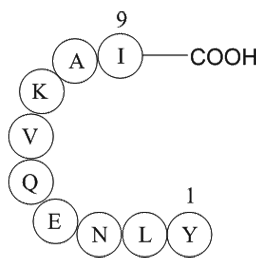
Autophagy at the Synapse The synapse is a highly specialized neuronal compartment that forms the basic unit of communication between neurons. Communication relies on electrical signals that are propagated down the axon of the presynaptic neuron, where they trigger the quantal release of neurotran
-
br Introduction Lung cancer is the leading cause
2025-02-14
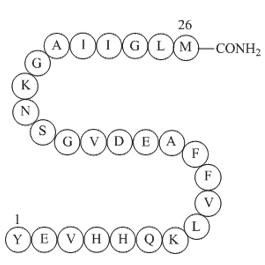
Introduction Lung cancer is the leading cause of cancer death worldwide and is one of the most refractory of solid tumors along with pancreatic cancer. Since 1975 there have been notable improvements in the 5-year survival rate of patients with lung cancer [1]. This improvement in survival is tho
-
Because R gene is positively regulated by T
2025-02-14
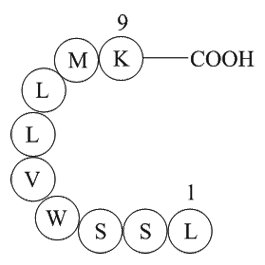
Because 5α-R2 gene is positively regulated by T and in the prostate gland (Torres et al., 2003), and our BPA-treated rats showed decreased circulating T and probably intraprostatic androgen levels, it might be responsible for the decrease of 5α-R2 expression. However, in a previous work using castra
-
Forsythoside A receptor Patients with cardiovascular disorde
2025-02-14
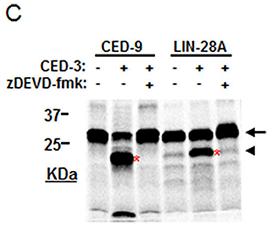
Patients with cardiovascular disorders typically have lower plasma apelin levels than matched healthy controls. For example, plasma apelin levels are reduced in patients with coronary artery disease (CAD), and among CAD patients with unstable angina or acute myocardial infraction there is a further
-
br Acknowledgments This work was supported
2025-02-14
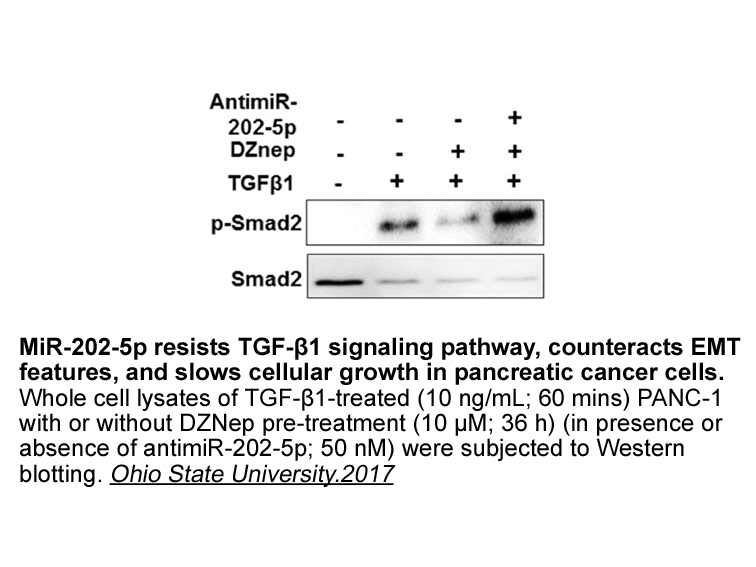
Acknowledgments This work was supported by grants from the “Agence Nationale de la Recherche” ANR-09-CESA-006 program, the Agence Nationale de Sécurité Sanitaire de l’Alimentation, de l’Environnement et du Travail (Anses, Project n° 2012-2-077) and the Interdisciplinary Program “Longévité et Viei
-
Electron paramagnetic resonance studies of mixtures of A and
2025-02-14
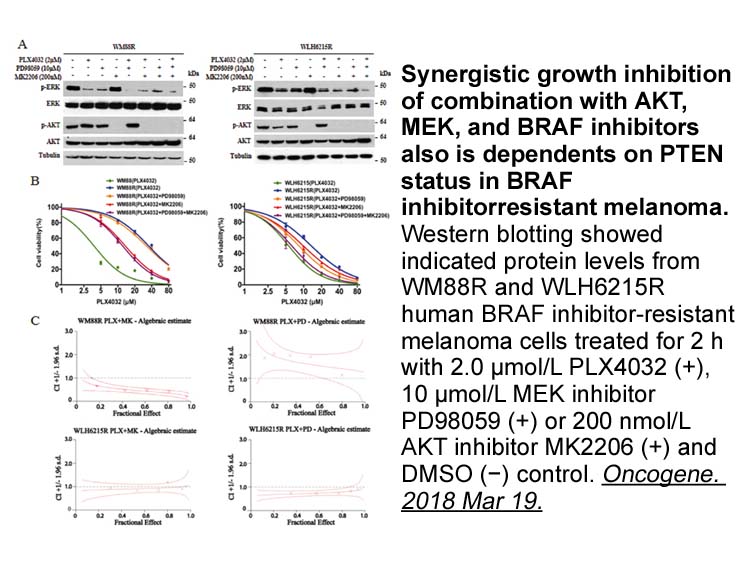
Electron paramagnetic resonance studies of mixtures of Aβ1–40 and Aβ1–42 suggest that interlaced fibrils might also form [40] where Aβ1–40 and Aβ1–42 is found within the same fibril. Considering the Aβ fold rather than the sequence, these observations imply two mechanisms that might lower the total
-
br Funding br Introduction Plants absorb both
2025-02-13
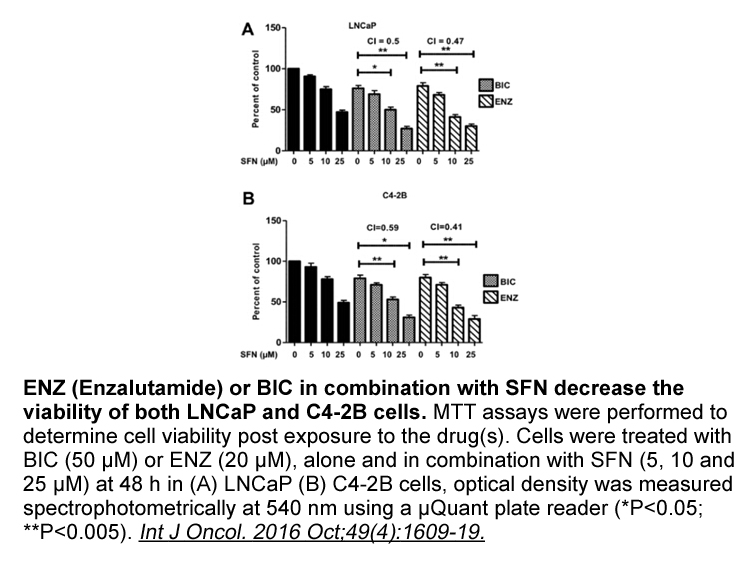
Funding Introduction Plants absorb both inorganic nitrogen (ammonium and nitrate) and organic nitrogen (amino acids and peptides) from the soil [1]. The first organic nitrogenous molecule produced from inorganic nitrogen is Gln, whose terminal amino group is successively transferred to make Gl
-
br Materials and methods br
2025-02-13
Materials and methods Results Discussion Knowledge of the molecular basis of an inherited genetic disease is crucial for understanding the disease pathology and, ultimately, for therapeutic design. Several recent reports have stressed the need for physical characterization of disease-associ
8085 records 43/539 page Previous Next First page 上5页 4142434445 下5页 Last page